You usually notice this decision too late.
A marketer commissions “some UGC,” a creator sends back a decent cut, then launch week gets eaten by follow-ups: Can we run this as an ad? Who cleared the music? Is there a version without the account-specific intro? Did anyone confirm paid usage, or did we just assume because the video exists? At that point, the question is no longer who felt more authentic on a call. It’s who was supposed to own the messy middle between idea, footage, permissions, edits, and a file your team can actually use.
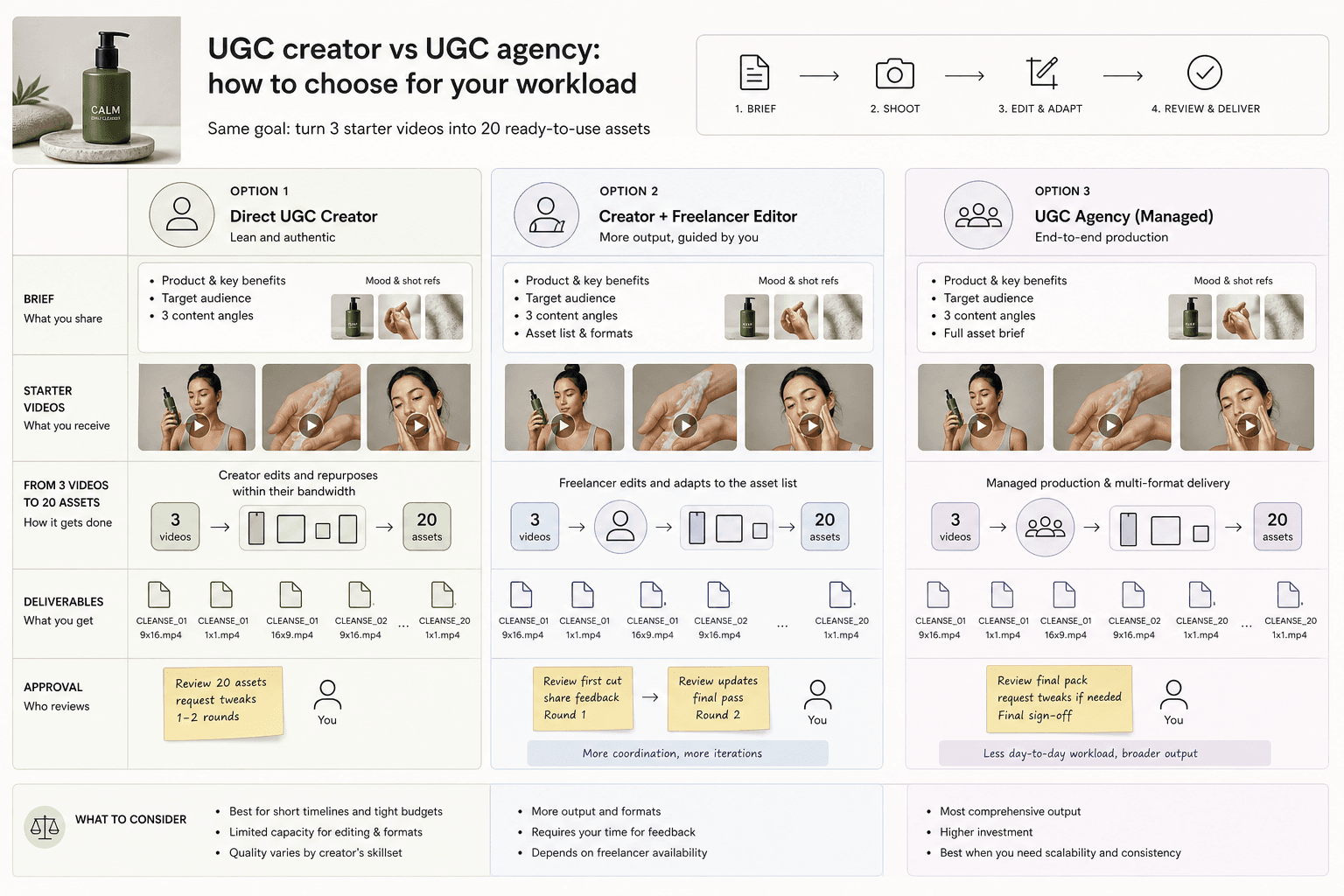
That’s the useful frame for UGC creator vs UGC agency on TikTok and Instagram. Pick the route that matches your coordination capacity. A direct creator is often the better buy when the brief is contained and your team can manage the admin. An agency or managed production partner earns its fee when the real problem is orchestration across creators, deliverables, and platform requirements. A freelancer sits between those options when you already have the important inputs and just need one part of the process handled.
The decision is really about workload shape
A direct creator, a freelancer, and an agency can all produce strong short-form content. The difference is which problems each option removes from your week.
Hire a creator directly when the content job is small enough that your team can keep the details straight: one product story, one on-camera style, a few videos, and a fast review loop. If your product is simple to show truthfully and your team knows what claims must stay off camera, direct sourcing can be efficient.
A freelancer is a narrower hire. This works well when you already have creators, footage, or a stable production routine and the bottleneck is editing, cutdowns, or versioning. If that sounds familiar, the better comparison may be editing support rather than creator sourcing. Zagged’s guide on when to outsource ad creative editing is useful here because it separates a footage problem from an editing-capacity problem. That distinction saves a lot of wasted motion.
An agency or coordination partner becomes sensible when the content request has quietly turned into an operations job. You’re no longer buying one person on camera. You’re managing sourcing, product shipping, review rounds, usage checks, and variations for different placements.
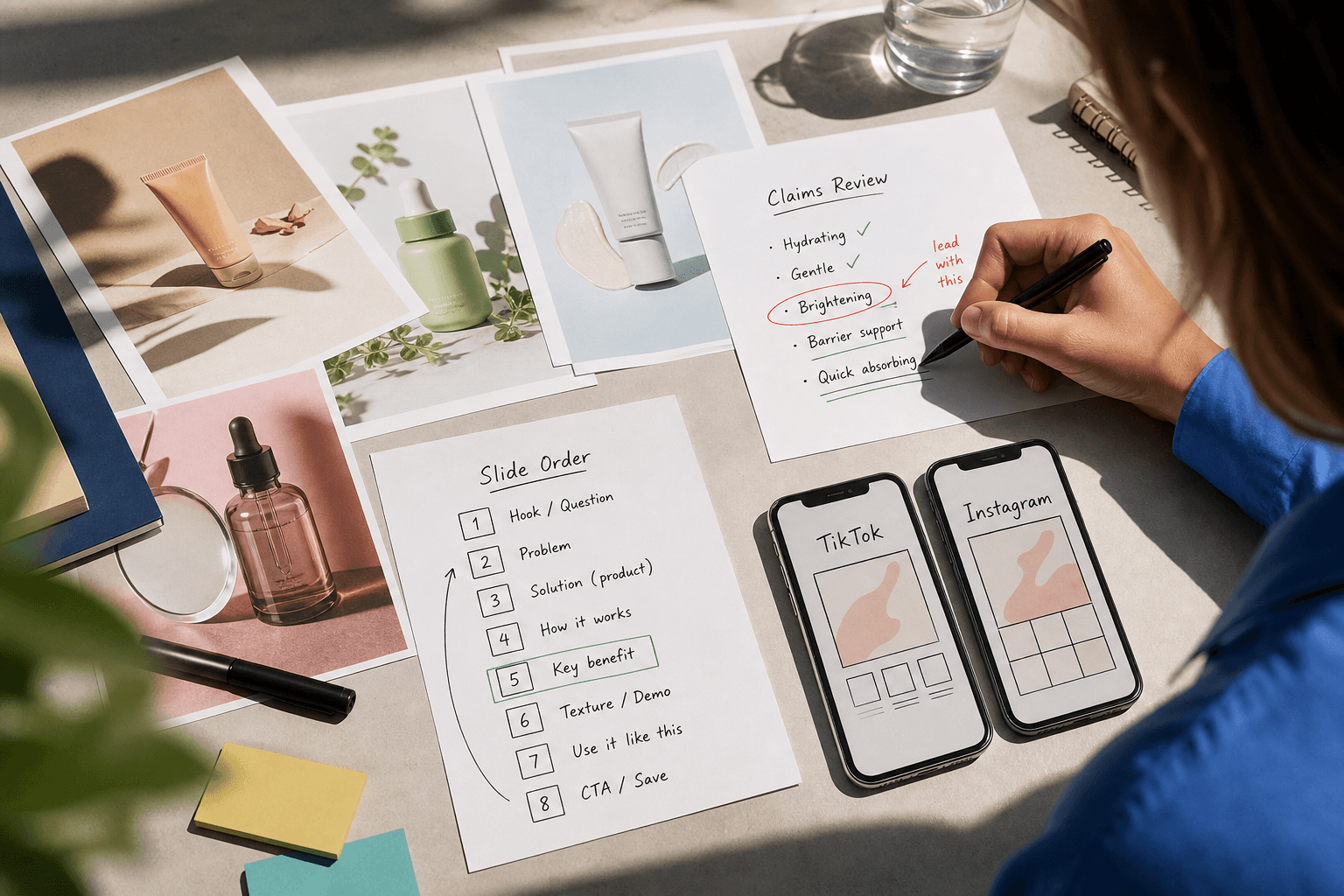
That last part is not glamorous, but it’s real. TikTok says creators must use commercial content disclosure when posting content that promotes a brand, product, or service in both TikTok One Policies and TikTok’s guidance on promoting a brand, product, or service. Meta’s documentation for Reels ads explains that promoting partner content can require the creator to allow business partners to promote or approve the request in Meta’s system, as described in Meta’s Instagram and Facebook Reels ads documentation. Those rules do not tell you which sourcing route will perform better. They do tell you someone has to manage disclosure and permissions correctly.
Read the video transcript
You feel this choice too late: one decent video turns into launch-week scrambling over edits, permissions, music, and whether anyone owned the messy work in between. The real decision isn't authenticity alone. It’s which option matches your coordination capacity, because strong short-form content can still fail if nobody manages handoffs clearly. Picture a tinted mineral sunscreen needing three short videos. If one creator can show texture, application, and finish, and your team reviews fast, direct hiring often fits. If that same footage later needs more hooks, cutdowns, or paid-ready versions, the problem may be editing capacity, not creator sourcing, so a freelancer can help. Once multiple creators, shipping, rights checks, review rounds, and platform permissions pile up, you're buying coordination. That's valuable because fewer details get dropped before launch. Draft one real brief and list every task your team would own through final handoff. If that feels routine, hire directly; if not, pay for coordination deliberately.
When working directly with a creator is the better buy
Work directly with a creator when your internal coordination is genuinely cheap, not theoretically cheap because everyone is being optimistic on Monday.
That usually means a few conditions hold at once. You need a small number of assets. One creator’s style is enough. The product can be shown clearly without unusual setup or extensive claim review. Your team can turn feedback fast. And you know before filming whether the asset is for organic posting, paid use, or both.
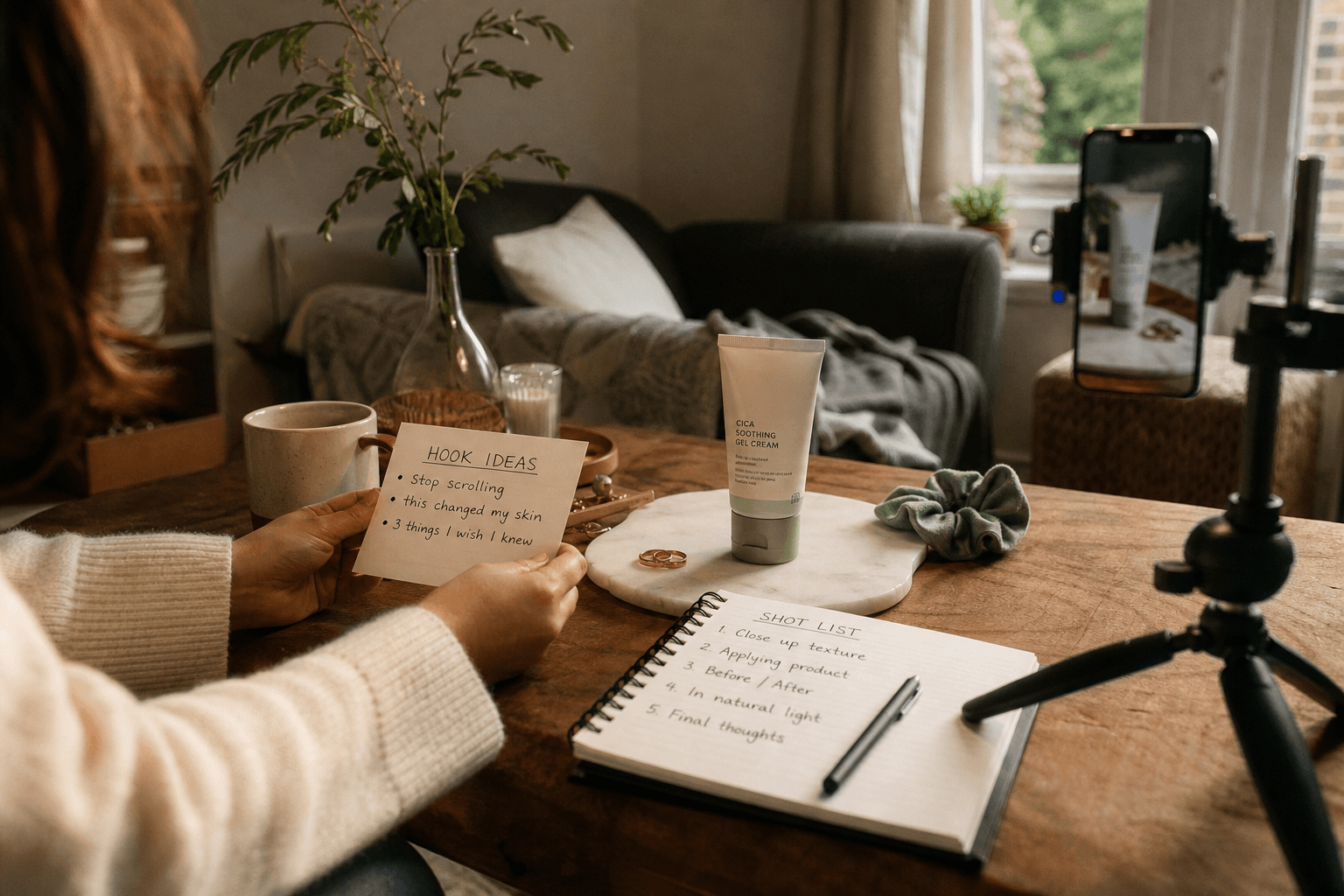
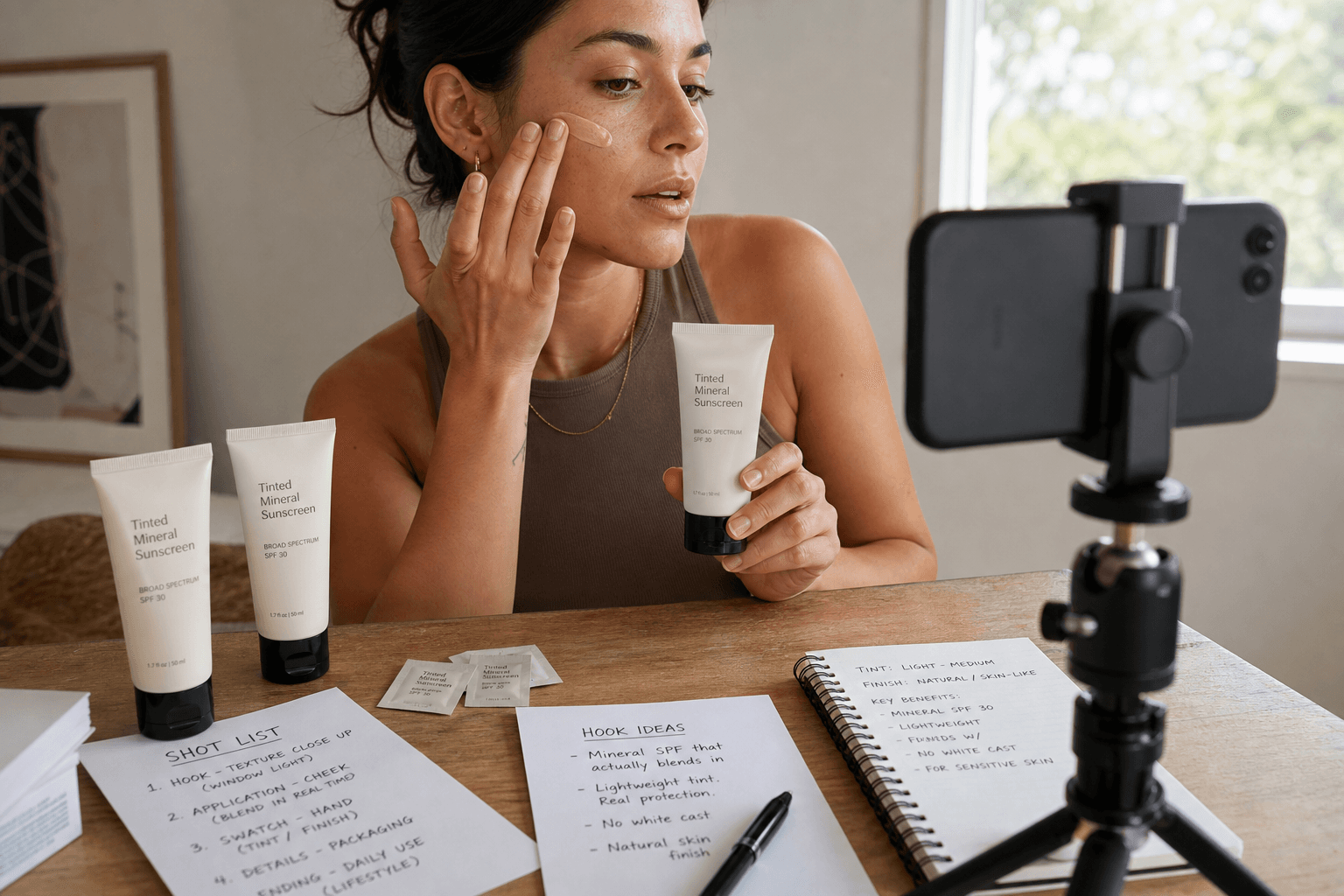
Say you sell a tinted mineral sunscreen. You need three short videos for TikTok and Instagram Reels ahead of a seasonal push. The product story is concrete: texture, application, finish, and where it sits in a morning routine. You can ship samples this week. Your brand lead can review cuts within a day. That is a direct-creator job more often than not.
A usable brief note might read like this:
- Deliverable: 3 vertical videos for organic-first TikTok and Instagram Reels, with possible paid social use later
- Product truth to show: finger swatch, amount applied, blend on cheek and forehead, final finish in natural light
- Claims boundary: do not add SPF or skin-benefit claims beyond packaging and approved copy
- Hook options to test: “If tinted SPF usually looks grey on you, film this in window light” and “The only reason I kept wearing this was the finish”
- Editing notes: captions burned in, no trend audio unless commercial-use rights are clear, leave one beat after application so the result is visible
That brief is specific enough to inspect later. Did the hook set up a recognizable problem? Did the footage prove texture and finish, or just say nice things over quick cuts? Did the creator leave enough room on screen for a viewer to understand what changed?
If you’re sourcing this way, how to find UGC creators who actually fit your brand is a useful companion because it pushes you to compare evidence in the portfolio, not a vague feeling that someone is “on brand.” For this sunscreen example, you’d look for believable application shots, pacing that leaves time for proof, and a track record of explaining a product without making it sound like a hostage video written by legal.
What an agency takes off your desk
Use an agency when the content brief keeps multiplying into coordination work your team can’t absorb cleanly.
For example, imagine a lean supplements brand launching a sleep powder. The team needs 30 videos across TikTok and Instagram Reels. They want different creator types, multiple hooks, a mix of routine integration and ingredient explanation, and paid-ready variants from the same base material. One marketer is owning the campaign, but that person is also approving emails, updating landing pages, and trying to have lunch at some point.
Now compare the job honestly. Someone has to source creators, match them to the format, ship product, collect drafts, keep claims within bounds, request fixes, track usage permissions, check music rights, and make sure exports fit the intended placements. TikTok’s ad tools describe common creative requirements such as vertical 9:16 video and video lengths from 5 to 60 seconds in its ad preview and specification materials. Meta’s workflow for partner content on Reels is separate and must be handled in Meta’s system, per Meta’s Reels ads documentation. None of that is strategic brilliance. It’s just production reality.
This is also where platform guidance changes the buying advice. TikTok’s content quality standard for creator commercial content emphasizes showing how a product is used, what it does, and how it fits into a person’s life. Useful finding, limited scope: this is platform guidance, not proof of better campaign results. But it does inform a production decision. If your provider can only deliver polished edits and not believable product-use footage, you may be buying the wrong part of the process.
For the sleep-powder example, an agency’s value is not “agencies scale” as a slogan. Its value is reducing the number of places the job can break before launch.
A decision note for that scenario might look like this:
“Need 30 ready-to-post creator videos, not just raw creator relationships. Multi-creator coordination, permissions, and versioning are the risk. Prefer partner that can standardize briefs, collect deliverables, and hand off paid- and organic-usable edits.”
That is a real buying reason. It names the burden you are trying to remove.
Where a freelancer fits, and where it doesn’t
A freelancer is often the best answer when you already control the variables that create chaos.
Go back to the sunscreen example. Round one went well. The creator delivered three solid videos. Your team approved them quickly. Then the paid social lead asks for six shorter hook variants and alternate first lines for testing. Same product. Same footage. Different problem.
Now a freelancer or editing partner may be the better buy than an agency. You do not need creator sourcing again. You do not need someone to discover product truth from scratch. You need someone to turn good material into more paid-ready options.
A clean handoff note might say:
“Use creator’s existing footage. Cut 6 openings from the same proof sequence. Keep application shots unchanged. Version A opens on ‘Usually tinted SPF goes ashy on me.’ Version B opens on ‘I only kept this because the finish held under makeup.’ Deliver TikTok and Reels-safe exports with captions.”
This is why quote comparisons get sloppy so quickly. People compare provider labels instead of scope. A cheap filming quote can become expensive if your team ends up handling edit direction, versioning, and rights checks afterward. Zagged’s article on ready-to-post UGC cost and scope is helpful because it shows how “ready to post” only means something when the deliverables and usage are spelled out.
Compare rights, revisions, and deliverables on the same terms
If you’re deciding between a creator, freelancer, or agency, use the same criteria for all three. Otherwise you’ll compare a simple filming scope against a managed production scope and pretend the cheaper number means the same job. It doesn’t.
| Option | Best fit | Internal workload | Main failure point |
|---|---|---|---|
| Direct creator | Small batch, one clear story, fast reviews | High | Your team ends up owning every follow-up |
| Freelancer | You already have footage or creator access | Medium | Gaps between filming, editing, and permissions |
| Agency or managed partner | Multi-creator production and repeated delivery | Lower day to day | You pay for coordination you may not need |
Then inspect these issues in plain language.
Product truth. Who checks that the footage shows the product accurately and stays within approved claims? This matters more for products that need demonstration than for products that can be explained mostly through words.
Assets required. Are you sending product only, or also scripts, references, ingredient constraints, visual examples, and brand guidelines? The more interpretation required, the more coordination matters.
Internal workload. Who handles outreach, shipping, reminders, consolidated feedback, file naming, and final handoff to the team running organic or paid placements?
Iteration. Do you need one finished video, or one proof sequence turned into multiple hooks and recuts? If the second, say so before filming.
Delivery scope. Are you buying final edited files, captions, alternate versions, or raw clips too? Don’t assume raw footage is included because nobody likes a surprise invoice or a missing file the day before launch.
Placement intent. Organic and paid are not the same brief, even when the videos look similar. If there is any chance a good organic cut will later become an ad, clarify usage and permissions up front.
Music rights are a good example of why this matters. Instagram’s help documentation says the licensed music library is intended for personal, non-commercial use and points businesses to the Meta Sound Collection for commercial use, including ads, in Instagram Help on licensed music and Sound Collection. That does not mean every creator-supplied track is unusable. It does mean you should verify commercial-use rights before assuming a native-feeling audio choice can follow the asset into paid media.
One example, two different decisions
The sunscreen scenario is useful because the product stays the same while the recommendation changes.
In the first round, direct creator hiring made sense. Three videos, one creator, one clear product story, fast approvals. The marketer should inspect specific things after delivery: whether the first two seconds identify the problem clearly, whether the application shots actually prove the texture point, and whether the final finish can be understood without relying on a caption. If comments or team review surface confusion about shade match, residue, or routine order, that should change the next brief. Don’t just “track performance.” Inspect where understanding broke, then fix that exact point.
In the second round, the same brand wants 20 more assets with different skin tones, hooks, and edit versions for paid testing across TikTok and Instagram. Now the recommendation changes. Not because agencies are magically better. Because the work has changed from making a few truthful demos to coordinating repeatable production.
If that’s your situation and you want a managed route with real creators and edited deliverables, review Zagged’s human UGC service with creator, editing, and usage details. As of September 23, 2026, Zagged’s public order page lists 25 to 200 fully edited videos at USD $99 each, with a minimum order of $2,475 on the live UGC pricing page. That is Zagged’s offer, not an industry average. Before ordering, confirm rights, revisions, raw footage, exclusivity, and promotion permissions in writing because those details are not established by the public pricing page alone.
What to confirm before you approve spend
You do not need a giant procurement ritual. You do need a written scope that survives a busy week.
Confirm what files you will receive, what usage is included, whether the creator is posting or only supplying files, how revisions work, who is responsible for music and permissions, and whether you need alternates for paid placements now or later. If a provider is crisp on the mood board and vague on rights, revisions, or final exports, that is not a charming creative quirk. It is a warning.
The next move is simple: write the brief for one real asset, then mark every step your team would personally own from creator selection through final handoff. If that list feels ordinary, hire directly. If it reads like a future argument in your Slack channel, buy coordination.
Creator production brief
Turn a product idea into an assignment a creator can quote and film. Replace the example with your own details, then download the brief.
Send this before agreeing scope. Ask the creator to flag any shot they cannot demonstrate accurately. Confirm commercial terms separately; a creative brief does not grant usage rights.
See a completed example
- Product and viewer question
- Example: A compact coffee grinder. Can it fit on a small counter and make a single morning serving?
- What the camera needs to show
- Place the grinder beside a mug for scale. Load one serving, show the controls, and show the cleanup. Do not claim results we have not substantiated.
- Creator and setting
- A creator comfortable explaining a routine in their own words, filming in an ordinary kitchen with clear sound.
- Opening and spoken explanation
- Start with the cramped counter, then show where the grinder fits. Explain one benefit while demonstrating it; avoid reading a list of features.
- Finished files and source footage
- Confirm number and duration of finished videos, aspect ratios, captions, clean exports, alternate openings and whether raw footage is included.
- Claims and required disclosures
- Attach approved product facts. Flag sponsorship or AI disclosures required for the intended use. Do not script personal experience the creator has not had.
- Commercial terms to confirm
- Agree intended channels, paid use, duration, territory, likeness permissions, music clearance, revision scope and who approves publication.
- Review and delivery
- Name one approver. Set dates for concept, first cut and final delivery. Consolidate feedback into one response.
Make your own brief
Your entries stay in this tab. Download before leaving; they are not saved or sent to Zagged.
Sources & further reading
- TikTok One Policiesads.tiktok.com
- TikTok guidance on promoting a brand, product or servicesupport.tiktok.com
- TikTok ad preview and specificationsads.tiktok.com
- TikTok content quality standard for creator commercial contentads.tiktok.com
- Meta Reels ads documentationfacebook.com
- Instagram Help on licensed music library accessfacebook.com
- Zagged human UGC offerzagged.com
- Zagged UGC pricing pagezagged.com
Published by Zagged Editorial. Examples are illustrative unless a source is identified. Updated .